
Herbal Liqueurs: Botanicals, Spices and a Colombian Perspective
Herbal liqueurs occupy a distinctive place in the world of spirits. Instead of being defined by a single fruit or one dominant flavour, they are built around combinations of herbs, roots, spices, flowers, seeds and other botanicals.
That complexity is why the category can range from bright and aromatic to warm, bitter, sweet or intensely spiced. It also creates room for regional traditions to express themselves through ingredients that are familiar locally but new to international drinkers.
What is an herbal liqueur?
An herbal liqueur is an alcoholic beverage whose flavour profile is shaped primarily by botanical ingredients. The exact formulation can vary widely. Some expressions focus on a small number of herbs, while others combine many botanicals to create layered aromas and a long finish.
Sweetness is often part of the style, but the balance between sugar, alcohol and botanicals is what gives each product its character. The result can work as a sipping liqueur, a cocktail ingredient or a modifier used in smaller quantities.
Botanicals create the flavour architecture
Herbs and spices do more than add individual flavours. Together they create an aromatic structure. Fresh herbs may contribute brightness, seeds can add anise-like or earthy notes, warm spices can create depth, and citrus or floral ingredients can make the overall profile feel lighter.
Tomaseca, for example, is associated with a broad botanical profile that includes ingredients such as ginger, fennel, basil, lemongrass, chamomile, mint, lemon verbena, cinnamon, cloves, anise and nutmeg. A combination like this is better understood as an herbal and spiced composition than as a single-flavour liqueur.
Why herbal liqueurs work well in cocktails
A complex liqueur can act almost like several ingredients at once. One measure may bring sweetness, spice, herbaceous notes and aroma, reducing the need for a long list of modifiers.
For bartenders, this makes herbal liqueurs useful in highballs, sours and spirit-forward drinks. Citrus can sharpen the botanical profile, soda can make it lighter, and ginger or tropical fruit can reinforce selected notes without overwhelming the base.
Herbal liqueur is not the same as a brand name
International consumers often discover a category through a famous brand. That does not mean the brand name should become the keyword or identity for every other herbal beverage.
For a producer introducing a different tradition, category language such as “herbal liqueur,” “botanical liqueur” and “spiced liqueur” is more useful. It tells the shopper what kind of sensory experience to expect while leaving space for the product’s own origin and story.
A Colombian interpretation of the category
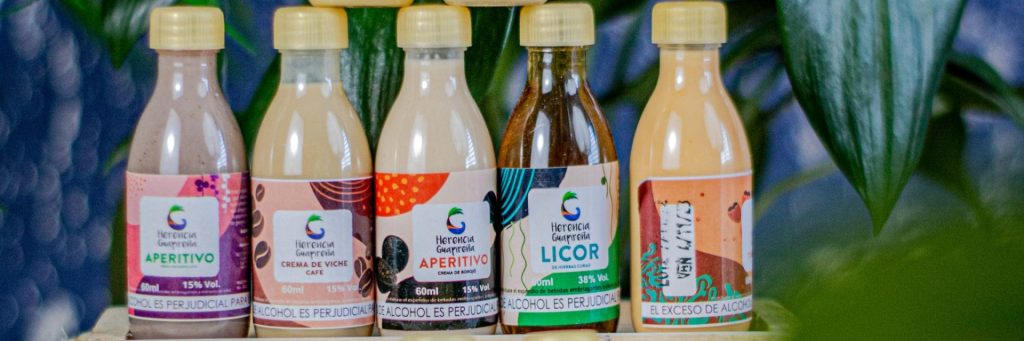
Colombian herbal liqueurs can bring ingredients, combinations and cultural references that are not common in mainstream European herbal products. This gives the category a strong discovery angle for bartenders, speciality retailers and consumers interested in regional spirits.
The opportunity is not to imitate an established international label, but to help the audience understand the category first and then discover what makes the Colombian expression different.
How to serve an herbal liqueur
- Over ice when the botanical profile is balanced enough to drink on its own.
- With soda or tonic for a lighter, aromatic serve.
- With lime, lemon or grapefruit to emphasise freshness.
- With ginger ale or ginger beer when warm spice is part of the profile.
- As a modifier in cocktails that need sweetness and botanical complexity.
For drinkers new to the category, a simple citrus highball is often the easiest introduction: enough dilution to open the aromas, but not so many ingredients that the herbal character disappears.