
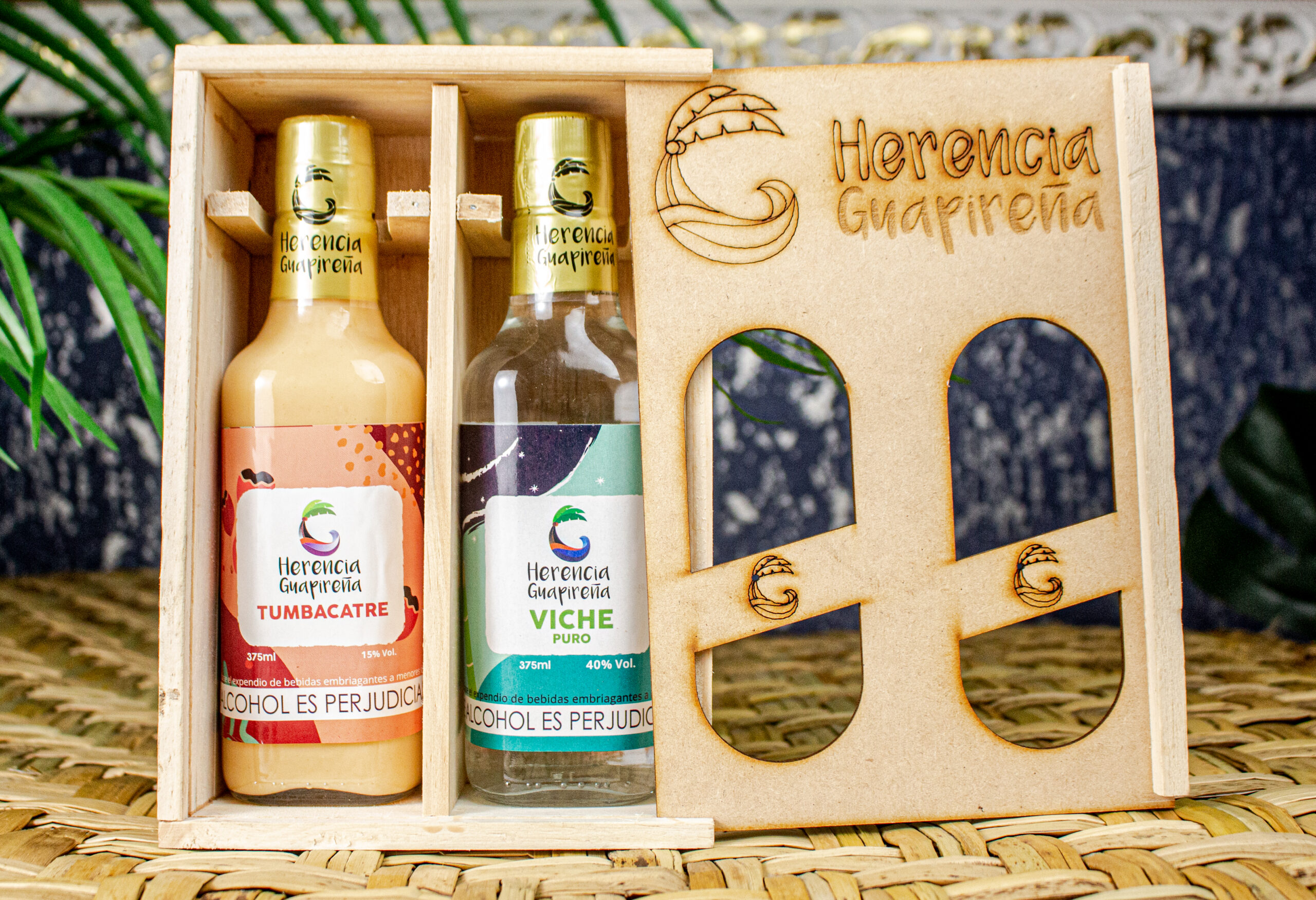
Cream Liqueurs with Tropical Flavours: A Colombian Perspective
Cream liqueurs are known for texture as much as flavour. They combine alcohol with a creamy, sweet profile that makes them approachable on their own, over ice or in dessert-style drinks.
The category becomes especially interesting when it moves beyond familiar flavours and begins to incorporate tropical fruits, coffee, cacao and ingredients connected with a specific place.
What defines a cream liqueur?
A cream liqueur is built around a smooth, rich texture together with a sweet alcoholic base. The creamy component softens alcohol perception and creates a fuller mouthfeel, while flavour ingredients determine whether the final result feels fruity, roasted, chocolate-led, nutty or spiced.
Because texture is central to the experience, cream liqueurs occupy a different sensory space from clear fruit liqueurs or herbal spirits. They are often treated as after-dinner drinks, but modern cocktail menus use them much more broadly.
Why tropical ingredients work so well
Tropical fruits often bring acidity, aroma and a distinctive sense of place. When used carefully in a cream-style liqueur, they can create a contrast between richness and brightness.
Ingredients such as borojó, passion fruit, coconut, coffee and cacao can each lead the drink in a different direction. Borojó offers a recognisable Colombian-Pacific reference, passion fruit contributes vivid acidity and aroma, coconut reinforces richness, while coffee and cacao create familiar roasted and dessert notes.
Cream liqueur vs fruit liqueur
The terms can overlap when a cream liqueur contains fruit, but they communicate different expectations. “Fruit liqueur” tells the consumer that fruit is central to the flavour. “Cream liqueur” tells the consumer to expect a richer, creamier texture.
For products where both are true, the most useful description is usually the one that best prepares the customer for the drinking experience. A passion fruit cream liqueur, for example, communicates both the flavour and the texture more precisely than either term on its own.
How to serve tropical cream liqueurs
- Over ice for the simplest presentation.
- With cold brew or espresso for coffee-led serves.
- Blended with ice for a frozen dessert-style cocktail.
- With cacao or chocolate elements for a richer pairing.
- In small-format cocktails where the liqueur provides both sweetness and texture.
A useful category for international discovery
Cream liqueur is a recognised search and retail category, which makes it valuable for introducing less familiar Colombian flavours. A consumer may not initially search for borojó or another regional ingredient, but they may already understand what a cream liqueur is.
That creates a practical bridge between the familiar and the new: the category explains the format, while the ingredient tells the story.
From familiar texture to new flavours
The strongest tropical cream liqueurs do not rely on novelty alone. They work because the flavour, sweetness, texture and serving occasion make sense together.
For international audiences, that combination can make regional Colombian ingredients easier to discover: a familiar liqueur format carrying flavours that are closely connected with the Pacific coast and broader Colombian food culture.