
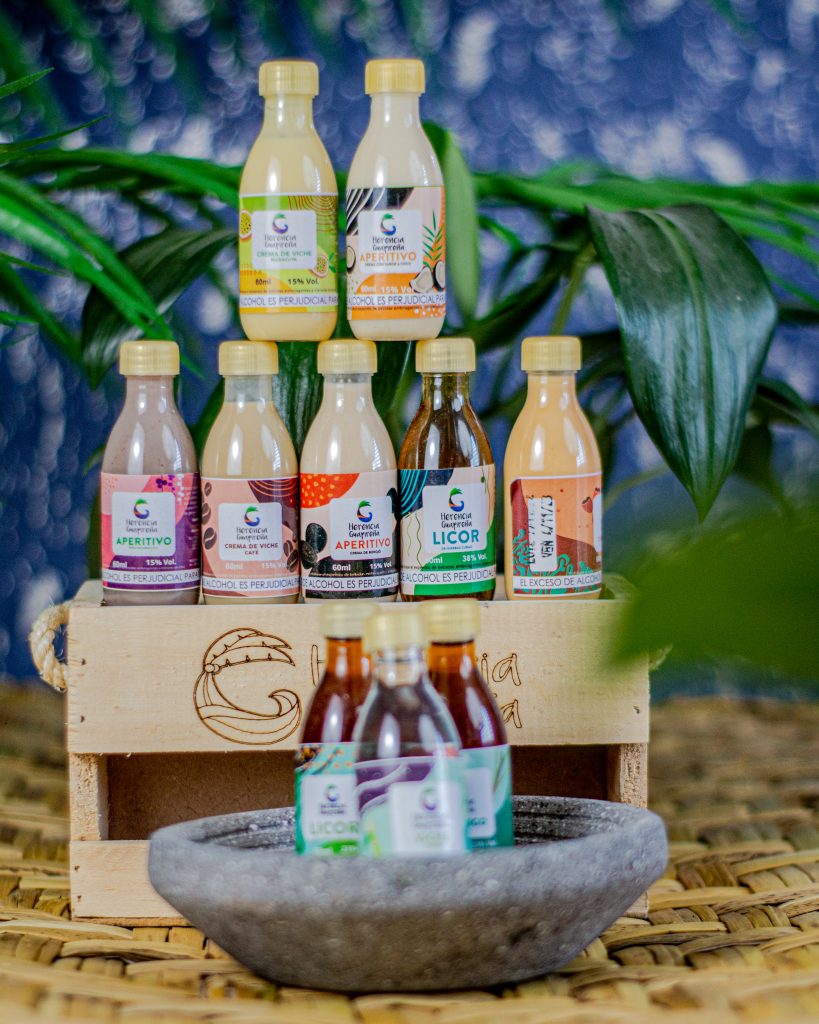
What Is Viche? Colombia’s Traditional Sugarcane Spirit and How It Differs from Rum
When people think about spirits made from sugarcane, rum is usually the first category that comes to mind. It is familiar, internationally distributed and deeply connected with classic cocktails. But sugarcane has also given rise to other distilling traditions with their own names, techniques and cultural identities.
One of those traditions is Viche, a spirit associated with Colombia’s Pacific region. For international drinkers who already understand rum, Viche can be introduced through a familiar point of reference: sugarcane. The comparison is useful, but the two terms should not be treated as interchangeable.
What is Viche?
Viche is a traditional Colombian spirit made from fermented sugarcane juice that is later distilled. Its identity is closely connected with the Pacific region of Colombia and with the knowledge, ingredients and practices developed within communities from that territory.
For an international audience, a clear descriptive phrase is “traditional Colombian sugarcane spirit.” It explains the raw material and the type of beverage without replacing the name Viche or forcing it into a better-known category.
Why is Viche often compared with rum?
The comparison begins with the raw material. Rum is a broad family of sugarcane spirits and, depending on the style and place of production, can be made from molasses, sugarcane syrup or fresh sugarcane juice. Viche also begins with sugarcane juice, followed by fermentation and distillation.
That shared starting point makes rum a useful discovery bridge. Someone searching for sugarcane spirits or learning what rum is made from may be interested in another tradition based on the same plant. The important distinction is that similarity of raw material does not erase differences in origin, production tradition or legal identity.
Viche vs rum: the key differences
- Identity: Viche has its own name and cultural context within Colombia’s Pacific region.
- Raw material: Viche is associated with fermented sugarcane juice, while rum may be made from several sugarcane-derived materials depending on style.
- Tradition: Viche is understood through a regional Colombian production tradition rather than through familiar rum styles such as white, dark or spiced rum.
- Communication: “Sugarcane spirit” is a useful international descriptor, while “rum” works better as a comparison or educational reference than as a direct replacement name.
What does Viche taste like?
Viche is best approached as a spirit with a direct connection to sugarcane fermentation and distillation. Individual expressions can vary, but the experience is generally more useful to describe through aroma, texture, intensity and origin than by trying to fit it into a standard rum colour category.
For bartenders and curious drinkers, that difference is part of the appeal. Viche can bring a distinctive sugarcane character to drinks built around citrus, tropical fruit, herbs and spice.
Can Viche be used in cocktails?
Yes. Cocktails can be one of the easiest ways for an international audience to discover an unfamiliar spirit. A bartender may begin with the structure of a highball, sour or Collins-style drink and then adapt the recipe around Viche’s own character.
This is where searches for rum cocktails and rum drinks can become useful for discovery without mislabelling the product. A person may arrive looking for a familiar sugarcane cocktail and discover a Colombian alternative with a different origin story.
A new sugarcane tradition to discover
Viche does not need to become rum in order to be understood internationally. The stronger approach is to preserve its name, explain that it is a Colombian sugarcane spirit and use rum only when comparison helps the reader understand the broader family of sugarcane-based beverages.
For drinkers, bartenders, retailers and importers interested in distinctive spirits, that creates a clearer proposition: not another version of something familiar, but a Colombian sugarcane tradition with its own identity.